
The Role of Luck in Casino Games
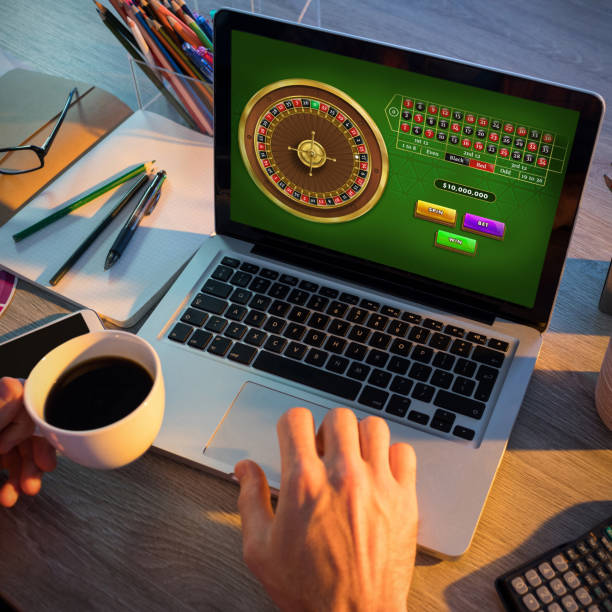
Luck is often deemed the most significant factor in determining outcomes at casinos, particularly in games such as slots and roulette. These games are designed to be random, where players have little to no control over the results. In slots, for example, the outcome of each spin is determined by a random number generator. This means that regardless of how much a player wagers or how often they play, the chances of winning are dictated purely by chance. Many players find themselves enjoying the thrill of the experience, especially when they use options like neosurf deposit casino to enhance their gameplay. This element of luck can create an exhilarating experience, as players can win substantial sums without any prior experience or strategies.
The unpredictability of luck keeps players engaged and excited, as the thrill of a potential win can be intoxicating. In the case of roulette, players can place bets on various outcomes, from individual numbers to colors, but the outcome remains uncertain until the ball settles. This inherent unpredictability is what attracts many to casinos in the first place. Additionally, promotional offers and bonuses often serve to heighten the excitement surrounding luck-based games, where players can experience the potential for large payouts without needing extensive knowledge of the game mechanics.
However, while luck plays a critical role, it’s important to acknowledge that it can also create a false sense of security among players. Many individuals may believe that they are destined to win due to a series of lucky streaks, which can lead to irresponsible gambling behaviors. This misconception about the role of luck can overshadow the importance of understanding the odds and the potential risks involved in gambling. Therefore, while luck is undeniably a key component in casinos, players must remain aware of its limitations and the unpredictable nature of chance.
The Influence of Skill on Gambling Success
In contrast to the role of luck, many casino games inherently involve a significant degree of skill. Games such as poker and blackjack require players to make strategic decisions, analyze opponents, and employ various techniques to increase their chances of winning. In poker, for example, understanding the probabilities of certain hands, reading your opponents, and making calculated bets can significantly impact the outcome of a game. Skilled players can leverage their knowledge and experience to gain an advantage over less experienced opponents, thus showcasing the importance of skill in certain contexts.
The distinction between skill and luck becomes particularly evident in the realm of competitive gaming, where players often engage in tournaments that emphasize strategic gameplay. In poker tournaments, for instance, the ability to adapt to different playing styles and varying levels of competition can separate winners from losers. The more skilled players tend to practice extensively and study strategies, which can ultimately increase their likelihood of success in the long run. This aspect of skill-based games can foster a sense of community among players, as they often share strategies and tips to improve their gameplay.
Moreover, the existence of skill-based games within casinos also highlights the potential for player empowerment. Unlike purely luck-based games, players can actively influence their outcomes through their decisions and strategies. This sense of control can enhance the overall casino experience, making it not only about chance but also about honing one’s abilities. Ultimately, while luck may contribute to individual outcomes, skill can create sustained success and deeper engagement in the gambling experience.
The Balance Between Luck and Skill
While luck and skill are often viewed as opposing forces in the world of gambling, the reality is that they coexist and interact in complex ways. Many games incorporate elements of both, creating a nuanced landscape for players. For example, in blackjack, the player must rely on their skill to make decisions about hitting, standing, or doubling down while still contending with the element of luck inherent in the cards they are dealt. This blend of skill and luck creates a dynamic environment where strategies can be employed, yet outcomes remain uncertain.
Furthermore, the interplay between luck and skill adds an intriguing layer to the psychological aspects of gambling. Players may find themselves drawn to games that offer a blend of both elements, as they provide both thrill and challenge. This attraction can lead to a deeper appreciation for the complexity of gambling, where players can savor the journey as much as the endpoint. It encourages players to develop their skills while remaining cognizant of luck’s elusive nature, creating a more well-rounded gambling experience.
In the broader context of gambling cultures, this balance can also influence the development of various gaming strategies and betting systems. Some players may attempt to devise systems that capitalize on perceived patterns or trends, blending skill-based decisions with luck. However, it’s vital for players to recognize that no system can completely eliminate the impact of luck. Thus, understanding the delicate balance between these two factors is essential for any player hoping to navigate the casino landscape responsibly and effectively.
The Psychological Impact of Luck and Skill
The psychological influence of luck and skill can profoundly affect players’ behaviors and attitudes towards gambling. Players who focus on luck may develop a more hopeful outlook, believing that they can win big simply through chance. This mindset can lead to excessive gambling, as individuals might chase losses or believe that they are lucky enough to overcome the odds. As such, it’s crucial for players to maintain a balanced perspective and understand the randomness of outcomes to prevent harmful habits from forming.
Conversely, players who delve into skill-based games often experience a different psychological impact. Engaging in strategic decision-making can foster a sense of achievement and competence, empowering players to take control of their gaming experiences. This empowerment can lead to more responsible gambling behaviors, as players are likely to practice discipline and develop sound strategies. Additionally, the camaraderie that often exists in skill-based games can enhance social interactions among players, creating a more enjoyable environment.
Ultimately, understanding the psychological aspects of luck versus skill in casinos can pave the way for healthier gambling practices. Recognizing the interplay between chance and strategy can help players to develop a more mindful approach to gaming, where enjoyment and responsibility coexist. By cultivating awareness of these psychological dynamics, players can create a positive relationship with gambling while still appreciating its entertainment value.
Enhancing Your Casino Experience
To fully appreciate the intricate dynamics of luck and skill in casinos, players should prioritize education and responsible gaming practices. Engaging with reputable resources can provide valuable insights into the odds and rules of various games, enhancing players’ understanding and enabling them to make informed decisions. This knowledge can balance the excitement of luck with the empowerment that comes from skill, leading to a more enjoyable and beneficial experience at the casino.
Additionally, seeking out games that offer a mix of skill and luck can enrich the overall experience. Whether it’s participating in a poker tournament or experimenting with different blackjack strategies, diversifying gameplay can lead to a more satisfying time at the casino. Players should also consider setting limits on their gambling activities, ensuring that their engagements remain within their financial means and personal comfort levels.
Finally, community engagement in casinos can enhance the experience as well. Interacting with fellow players and sharing strategies can help foster a sense of belonging and shared excitement. By taking steps to enhance their gaming experience through education, responsible practices, and social interaction, players can enjoy the thrill of the casino while minimizing potential pitfalls associated with gambling.