
The Nature of Luck in Gambling
Luck is often perceived as an unpredictable force that influences the outcomes of events beyond our control, particularly in the world of gambling. Many gamblers rely on luck to determine their fortunes, believing that it can change their fate at any moment. This reliance on luck transforms gambling from a mere game into an exhilarating experience, filled with the thrill of anticipation where anything can happen, especially when players engage with options like ontario casino fast withdrawal that enhance their winning potential. The element of surprise that accompanies luck keeps players engaged, as they chase the elusive victory that could significantly impact their lives.
Moreover, luck can manifest in various forms across different gambling activities. For example, in games of chance like slot machines or roulette, the outcomes are completely dependent on random number generation or the spin of the wheel. In these scenarios, neither skill nor strategy can alter the inherent randomness of the game. Even in games that require skill, such as poker, luck plays a critical role in the cards dealt to players. The ability to adapt to these unpredictable outcomes is essential, as the whims of luck can dramatically influence the course of a game.
Ultimately, the unpredictability of luck acts as a reminder of the transient nature of gambling success. It generates excitement and anticipation, leading individuals to engage in high-stakes behavior while hoping that fortune will favor them. This uncertainty is not just a facet of gambling; it is a key element that makes it appealing. The prospect of hitting a life-changing win against all odds continuously attracts players, reinforcing the significance of luck within the broader gambling experience.
The Psychological Aspect of Luck
The psychology behind luck in gambling is a captivating subject, as it greatly influences players’ beliefs and behaviors. Many gamblers create personal narratives around luck, attributing their wins to their charm or specific rituals they believe enhance their chances of success. For instance, some players might wear lucky clothing or perform particular actions before placing bets to invoke good fortune. This psychological aspect highlights how the belief in luck can both enrich and complicate the gambling experience, shaping individuals’ approaches to risk-taking.
Furthermore, this belief in luck can have a profound impact on decision-making during play. Gamblers who feel lucky may be more inclined to take larger risks, increasing their bets with the hope of maximizing potential returns. Conversely, those who consider themselves unlucky might adopt a more conservative approach, limiting their wagers to mitigate losses. In both scenarios, luck serves as a powerful motivator that influences not only the choices players make but also their overall enjoyment of the gambling experience.
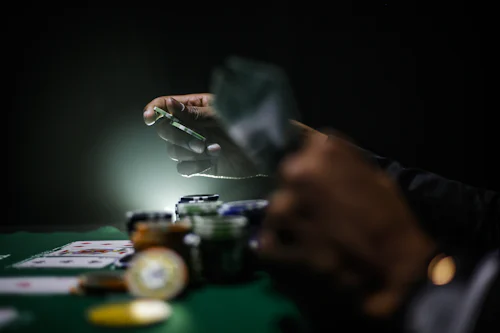
Additionally, the concept of luck can create an emotional rollercoaster for gamblers. The exhilaration that comes from a significant win can lead to a rush of euphoria, while a streak of unfortunate losses can evoke feelings of despair. Understanding this psychological dynamic is crucial for anyone involved in gambling, as it emphasizes the importance of managing expectations and emotional responses. While skill may play a role, it is often the unpredictable nature of luck that ultimately dictates the overall trajectory of a player’s gambling journey.
Luck vs. Skill: Finding a Balance
The long-standing debate surrounding luck versus skill is a central theme in discussions about gambling. While it is clear that luck plays a vital role in determining outcomes, skill can also significantly influence a player’s success, especially in games that involve strategic decision-making. For instance, in poker, players rely on their skills to read opponents and make informed betting choices, yet the randomness of the cards remains a crucial factor. Understanding the interplay between luck and skill can aid gamblers in refining their approaches and setting realistic expectations.
The balance between luck and skill varies across different games, leading to diverse gambling experiences. In games like blackjack, mathematical strategies can enhance a player’s odds, yet luck still dictates the actual outcome of each hand. Successful players often recognize when to leverage their skills and when to accept that luck may ultimately determine the game’s conclusion. This realization allows players to engage in their gambling endeavors with a blend of realism and optimism.
Ultimately, finding the right balance empowers gamblers to make informed decisions that enrich their overall experience. This awareness encourages players to focus on honing their skills while acknowledging the unpredictable nature of luck. A balanced perspective fosters a healthier relationship with gambling, as individuals learn to embrace the excitement that accompanies luck while actively refining their strategies to navigate skill-based games effectively.
The Role of Luck in Gambling Strategies
Integrating luck into gambling strategies can elevate a player’s experience and potentially improve outcomes. Although no strategy can guarantee success, understanding how luck influences individual games can help gamblers formulate a more comprehensive approach. For example, players often employ bankroll management strategies that allow them to sustain their play for a longer duration, increasing their chances of having luck on their side. By setting limits and making calculated wagers, players create an environment where luck can lead to greater gains.

Another effective strategy involves recognizing moments when luck seems to favor a player. Gamblers often experience “lucky streaks” when they encounter a series of wins. Some players choose to capitalize on these moments by increasing their bets when they sense fortune is on their side. However, this approach can be risky, as players must remain vigilant and aware that luck can swiftly change, and the tides can turn unexpectedly. Understanding how to identify these patterns can lead to more strategic and rewarding gambling sessions.
In essence, luck should be regarded as a fundamental component of gambling strategies. Players can harness this unpredictable force to complement their skills, enhancing the overall experience. A well-rounded approach that acknowledges both luck and skill allows gamblers to engage more deeply with their chosen games while navigating the complexities of chance and fate. This dual perspective fosters a more fulfilling gambling journey, where players can enjoy the benefits of both preparation and serendipity.
Conclusion: Embracing Luck in Your Gambling Journey
In conclusion, luck is an integral part of the gambling landscape, influencing outcomes and shaping experiences. Acknowledging the role of luck can equip gamblers to manage their expectations and navigate the highs and lows of the gambling world more effectively. By understanding that luck can be unpredictable, players can cultivate a healthier relationship with gambling—one that balances excitement with risk.
As individuals embark on their gambling journeys, it is vital to recognize the dual forces of luck and skill. By leveraging strategies that enhance their understanding of luck, players can boost their odds and revel in the thrill of the game. Ultimately, embracing the unpredictability of luck can lead to a more enriching and enjoyable gambling experience, allowing players to appreciate the adventure that accompanies each game.
As you delve into the world of gambling, remember that while luck plays a pivotal role, it is your unique approach that shapes your overall experience. Whether you are a seasoned gambler or new to the scene, understanding the dynamics of luck will empower you to make the most of your time and choices. Stay informed, play responsibly, and let the excitement of luck guide you on your gambling adventure.